Should You Move Out During a Renovation in Pimlico?
QUICK ANSWER: It depends on the scope, not the size of the house. For a kitchen, bathroom or loft conversion, most Pimlico homeowners can stay with careful planning. For a whole-house renovation, structural work or a basement, moving out is usually the safer, faster and less stressful choice, because the house will have no working kitchen, bathroom or heating for weeks, and the dust and noise reach every floor.
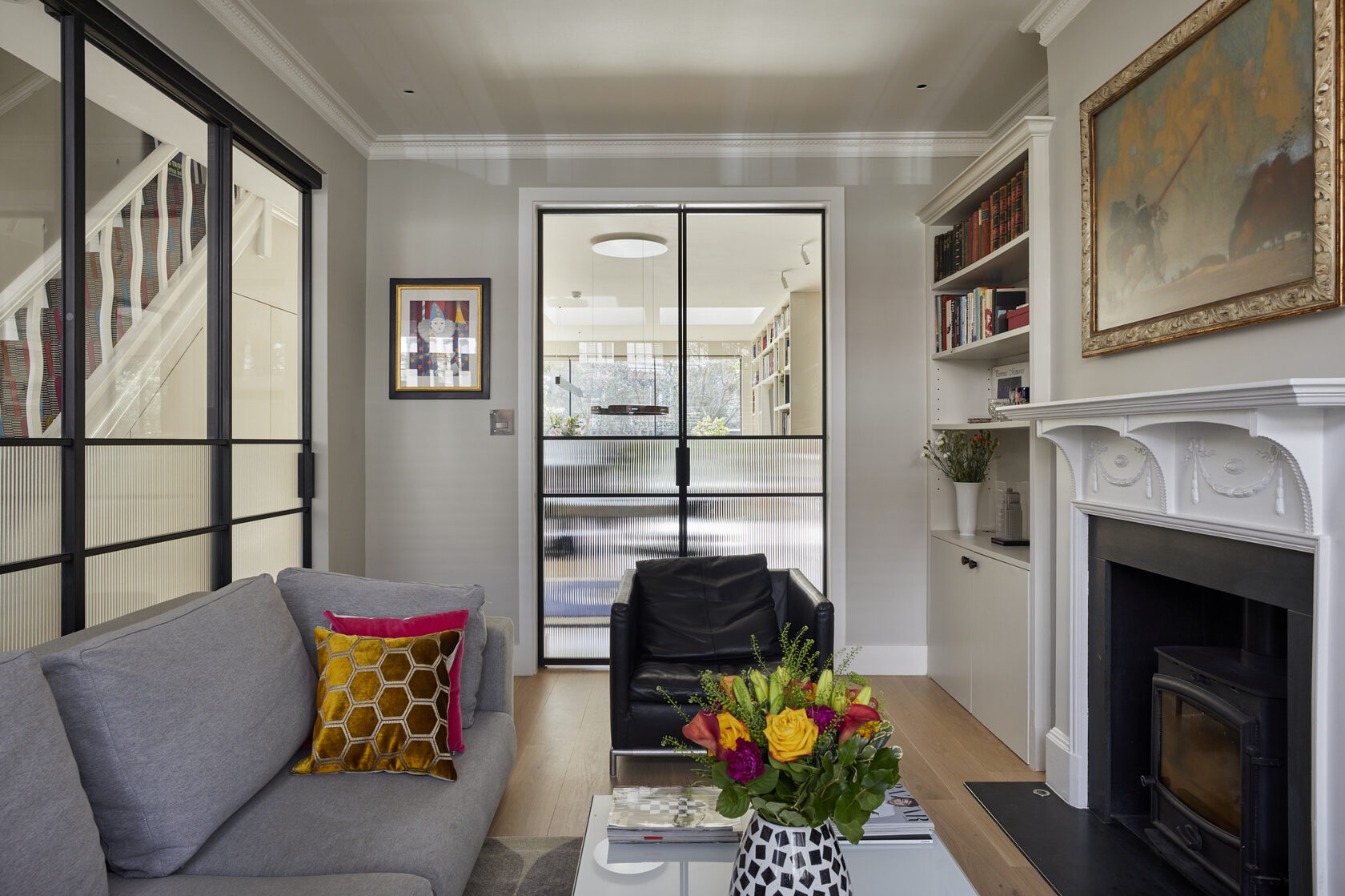
Pimlico's tall stucco terraces are built over four or five floors around a single staircase. That matters more than people expect: when one floor is being worked on, dust, noise and trades moving up and down affect all of them. Here is how to decide, and how to make either choice work.
Staying or Going: A Quick Guide
Type of projectCan you stay?
New kitchen or bathroom
Usually yes, with a temporary kitchen set up elsewhere in the house
Loft conversion
Usually yes. Most work happens above you, and the staircase is the main disruption
Single-storey rear extension
Often yes, though the kitchen is out of use and dust is hard to contain
Re-wiring and re-plumbing, floor by floor
Possible in phases, but it is slow and tiring
Whole-house renovation
Usually no
Basement excavation
Usually no
Structural work across several floors
Usually no
As a rule of thumb: if the kitchen, every bathroom or the heating will be out of action at the same time, plan to leave.
What Living in a Building Site Is Really Like
Staying put is possible, and it saves rent. But it comes with a cost that is easy to underestimate:
- No kitchen or bathroom for days or weeks. A temporary kitchenette in another room works for a while, but cooking without a proper sink or oven wears people down quickly.
- Dust. Plastic sheeting and dust barriers help, but they do not stop all of it. Allergies, young children and anyone working from home feel it most.
- Noise. Demolition, drilling and cutting are loud. Working from home during those phases is difficult.
- Interruptions to utilities. Water, power and heating are switched off at times, sometimes with little notice.
- Strangers in your home. Trades arrive early and need access to every floor.
- Slower progress. When the building team has to work around you, protect your belongings and keep areas clear for living, jobs take longer, and this can add to the cost.
Why Moving Out Often Pays for Itself
When the building team has the whole house to themselves, they work in a logical sequence without having to stop, make areas safe or tidy up daily. That usually means a shorter programme and less risk of damage to your belongings. Temporary rent is a real cost, so ask your builder how much time moving out would save, and weigh that against the rental figure before you decide.
If You Decide to Stay
- Agree zones. Decide with your builder which rooms stay clear of building work for as long as possible, and which areas will be sealed off.
- Plan a temporary kitchen. A kettle, microwave, small fridge and a washing-up bowl in a room away from the work covers most of what you need.
- Protect what you can't move. Floors, staircases, banisters and period features should be covered, and your builder should say how.
- Agree working hours and access. Councils commonly limit noisy work to set hours, and your builder should be familiar with the local rules for Pimlico. Agree start times, and who has keys.
- Tell your insurer. Building work can affect your home insurance, so let your insurer know before it begins.
- Pack away valuables. Move anything fragile or valuable out of the house, or into a locked room.
- Plan for the quiet days too. Some stages, such as drying times and plaster curing, are quiet but leave the house damp or unusable.
If You Decide to Move Out
- Plan the dates around the programme. Ask your builder for a start date, a finish date and a realistic buffer, because building work can overrun. Book rented accommodation with some flexibility at the end.
- Check on the house. Agree regular site meetings, so you see progress without having to be there every day.
- Keep decisions flowing. Choices on tiles, fittings and finishes need to be made on time, even if you are not on site, so agree how quickly you will respond.
- Arrange post and deliveries. Make sure deliveries go to the house only when someone can receive them.
- Plan the return. Ask when the house will be ready for you to live in, and which finishing jobs will carry on after that.
How Long Does It Take?
A kitchen or bathroom may take a few weeks. A loft conversion typically takes a few months. A whole-house renovation in a Pimlico terrace often runs 4 to 8 months on site, and longer where basement work or listed building consent is involved. Ask for a programme in writing, and remember that the planning and design stage, before work starts on site, takes additional time.
Frequently Asked Questions
Can I live in my house during a renovation? Yes, for smaller projects such as a kitchen, a bathroom or a loft conversion. For whole-house renovations, structural work or basement excavation, moving out is usually more practical.
Is it cheaper to stay or move out? Staying saves rent, but the work can take longer and cost more because the builder has to work around you. Moving out costs rent but can shorten the programme. Ask your builder to compare both.
How do I protect my belongings if I stay? Move valuables out of the house, cover floors, staircases and period features, and agree which rooms stay clear of building work.
Should I tell my insurer about the renovation? Yes. Building work can affect your cover, so check with your insurer before it starts.
Can you advise before I decide? Yes. We can talk through the scope of your project and give a view on whether staying is realistic.
Planning a Renovation in Pimlico?
Dominant Construction is an FMB-registered builder, founded in 2014, specialising in whole-house renovations, extensions, loft and basement conversions across Pimlico, Westminster and West London. We work with our own tradesmen, not sub-contractors, and we plan the programme with you from the start, including whether staying or moving out makes more sense.
Call 020 7118 6155, email info@dominantconstruction.co.uk, get in touch online, or see recent projects at dominantconstruction.co.uk.