{$te}
Quick Answer: The best way to renovate a house is to work in the right order: survey the property, define the scope, establish the budget, complete design and structural planning, deal with permissions, appoint the right contractor, then build and finish systematically. For London homes, especially Victorian and period properties, early investigation can prevent expensive surprises later.
Renovating a house sounds wonderfully straightforward.
Find a builder.
Knock a few walls down.
Choose a kitchen.
Pick some nice flooring.
Move back in.
If only houses were that cooperative.
A successful home renovation actually starts long before the first wall comes down. The decisions made during the first few weeks can affect the cost, programme, design, structural work and final quality months later.
And that is particularly true in London, where Victorian terraces, Edwardian houses, period properties, conservation areas, restricted access and neighbouring buildings can add another layer of complexity.
The good news is that there is a sensible way to approach it.
Plan the project before the project starts.
How Do You Renovate a House?
The simplest way to understand a full renovation is to break it into stages:
- Assess the property
- Decide what you actually want
- Establish a realistic budget
- Survey and investigate the building
- Develop the design
- Deal with planning and Building Regulations where required
- Address Party Wall matters where applicable
- Finalise the construction scope
- Appoint the right contractor
- Strip out
- Complete structural work
- Install new services
- Plaster and prepare surfaces
- Install joinery and finishes
- Test, inspect and complete
- Snag and hand over
It sounds orderly.
That's because it should be.
The more expensive the project, the less room there is for improvisation.
Step 1: Decide What You Actually Want to Change
Before looking at paint colours or scrolling through kitchens at midnight, decide what the renovation is supposed to achieve.
Are you trying to:
- modernise an outdated house?
- improve the layout?
- create an open-plan kitchen?
- add a bathroom?
- restore period features?
- replace old services?
- improve energy efficiency?
- create more storage?
- prepare the property for long-term living?
- combine renovation with an extension?
- renovate the entire house?
This sounds basic.
It isn't.
A vague brief creates a vague budget.
And a vague budget has an unfortunate habit of becoming a much larger budget later.
Step 2: Survey the House Before You Start Designing
This is where renovating an old house becomes particularly interesting.
A Victorian property can look perfectly respectable until someone starts opening it up.
Then you may discover:
- outdated wiring
- old plumbing
- uneven floors
- defective plaster
- timber decay
- chimney issues
- damp
- poor insulation
- altered structural walls
- previous alterations
- inadequate drainage
- roof problems
- hidden leaks
Not every old house has all of these problems.
But you need to know what you're dealing with before building a budget around assumptions.
A proper survey and early investigation can be one of the best investments in the entire renovation.
Step 3: Work Out Your House Renovation Budget
This is usually the question people want answered first:
“How much will renovating my house cost?”
Unfortunately, there isn't one useful number.
A London home renovation in 2026 can vary enormously depending on:
- floor area
- condition
- structural alterations
- number of bathrooms
- kitchen specification
- electrical and plumbing work
- heating
- windows
- insulation
- joinery
- flooring
- decoration
- property access
- professional fees
- location
- specification
As a broad early budgeting exercise, substantial London house renovations can sit around £1,200–£2,800+ per m², while premium, highly specified or heritage-sensitive projects can move towards £3,500+ per m².
That is a budgeting framework, not a quotation.
A 120m² Victorian terrace requiring a full rewire, replumb, structural alterations and bespoke joinery is not remotely the same project as a 120m² house needing new decoration and flooring.
The square metre figure is useful.
The scope is more useful.
What Does a Full House Renovation Actually Include?
The phrase “full house renovation” gets used for almost everything.
It can mean a cosmetic refurbishment.
Or it can mean stripping the property back and rebuilding much of the interior.
A substantial renovation might include:
Structural alterations
Removing walls, creating openings, installing RSJs, modifying staircases or altering chimney structures.
Full electrical work
A complete rewire, new consumer unit, lighting circuits, sockets and data infrastructure.
Plumbing
New pipework, bathrooms, kitchen services and heating connections.
Heating
Boiler replacement, radiators, underfloor heating or a completely redesigned heating system.
Insulation
Improving the thermal performance of walls, roofs and floors where appropriate.
Windows
Repairing, replacing or upgrading existing windows while respecting the character of the property.
Kitchen
Cabinetry, worktops, appliances, lighting, plumbing and flooring.
Bathrooms
Sanitaryware, waterproofing, tiling, lighting, ventilation and joinery.
Flooring
Timber, engineered oak, stone, porcelain, terrazzo or other specified finishes.
Joinery
Doors, skirting, architraves, wardrobes, shelving and bespoke cabinetry.
Decoration
Plastering, preparation and final decoration.
That's why a proper renovation brief matters.
Step 4: Decide Whether You Are Renovating or Extending
This is an important distinction.
You may initially think:
“We just need to renovate the house.”
Then you realise the kitchen is too small.
Then the garden is large.
Then someone mentions a side return.
Then suddenly you're discussing an extension, rooflights, structural steel and a new kitchen.
It happens.
If additional space is part of the plan, decide this before finalising the internal layout.
Our extension services cover residential extension projects where structural work and the existing house need to be considered together.
Step 5: Plan the Layout Before Choosing Finishes
This is one of the most important rules of home renovation:
Layout before decoration.
There is little point choosing your perfect kitchen if the kitchen itself is going to move three metres later.
Think about:
- room proportions
- circulation
- door positions
- stairs
- sightlines
- natural light
- storage
- kitchen location
- bathroom positions
- heating
- electrical points
- lighting
- furniture
- built-in joinery
A beautiful room that doesn't work properly is still a badly designed room.
Step 6: Protect the Character of a Period Property
London is full of houses with original features worth keeping.
Victorian and Edwardian properties can contain:
- cornicing
- ceiling roses
- fireplaces
- original doors
- timber flooring
- staircases
- balustrades
- sash windows
- decorative plasterwork
- exposed brick
The temptation during renovation is often to remove everything and start again.
Sometimes that's appropriate.
Often it isn't.
The strongest period-property renovations usually know when to restore, when to repair and when to introduce something completely new.
A restored original staircase beside a carefully detailed contemporary extension can look far more convincing than a house where every trace of its history has been erased.
[PHOTO 1: Victorian London terrace during a full renovation showing exposed brickwork, structural steel/RSJ, protected staircase and new services.]
Suggested alt text:
Victorian London terrace undergoing full house renovation with exposed brickwork, structural steel and protected original features.
Step 7: Get the Structural Work Right
This is where the project stops being decorative and becomes construction.
Structural work might include:
- removing load-bearing walls
- installing RSJs
- creating wider openings
- chimney alterations
- staircase modifications
- floor strengthening
- roof alterations
- underpinning
- extension structures
Structural work should be properly designed and coordinated.
It also needs to happen before the beautiful finishes.
Nobody wants to discover that the wall containing the brand-new kitchen cabinetry needs to be opened again because the structural sequence wasn't planned properly.
Step 8: Plan Electrical, Plumbing and Heating Early
These are the parts of a renovation that disappear behind the walls.
Which is exactly why they need planning.
Think about:
- socket locations
- lighting circuits
- pendant positions
- wall lights
- kitchen appliances
- bathrooms
- heating zones
- radiators
- underfloor heating
- internet/data
- security
- ventilation
- smart-home requirements
This is also the stage to consider energy efficiency.
Modern renovation work may create opportunities to improve insulation, heating controls, ventilation and overall energy performance, subject to the existing building and applicable requirements.
Do it before the plaster goes on.
Step 9: Don't Leave Lighting Until the End
Lighting is one of the easiest things to underestimate.
A room can have beautiful materials and still feel wrong if the lighting has been treated as an afterthought.
Consider:
Ambient lighting
The general illumination.
Task lighting
Kitchen worktops, desks, dressing areas and bathrooms.
Accent lighting
Joinery, artwork, architectural details and fireplaces.
Architectural lighting
Cove lighting, concealed LED strips, wall washers and carefully positioned downlights.
The best lighting plan is usually designed alongside the layout.
Not after the electrician has already installed everything.
Step 10: Choose Materials Before They Become Urgent Decisions
Renovation projects have a strange way of making every decision feel urgent.
Suddenly you're standing on site being asked:
“Which tiles?”
You thought you had another three months.
Apparently not.
Plan major selections early:
- flooring
- tiles
- sanitaryware
- kitchen
- worktops
- doors
- ironmongery
- lighting
- paint
- joinery
- appliances
Long-lead items should be identified early so they don't hold up the programme.
Step 11: Understand the Renovation Timeline
A full house renovation isn't just:
Start → mess → beautiful house.
There are several stages.
A substantial London renovation can commonly take several months, with the total programme affected by design, approvals, procurement, structural work, property size and specification.
A typical sequence is:
Weeks 1–4
Survey, design development and detailed planning.
Weeks 5–8
Procurement, approvals and site preparation.
Early construction
Strip-out and demolition.
Structural phase
RSJs, wall alterations, floors, roof or other structural works.
First fix
Electrical, plumbing, heating and ventilation.
Walls and ceilings
Insulation, plasterboard and plastering.
Second fix
Doors, skirting, joinery, electrical fittings and sanitaryware.
Final finishes
Flooring, decoration, kitchen, bathrooms and bespoke elements.
Completion
Testing, snagging and handover.
The exact programme depends on the project.
But the sequence matters enormously.
The Golden Rule of Renovation: Don't Finish Something Twice
This is perhaps the simplest way to explain construction sequencing.
You don't want to:
paint → install electrics → cut into the wall → replaster → repaint.
Or:
install flooring → remove wall → damage flooring → replace flooring.
Or:
finish kitchen → discover plumbing needs moving → regret everything.
The correct order protects both the budget and the finished result.
What Order Should a House Renovation Follow?
A sensible general sequence is:
1. Survey and investigate
↓
2. Design and structural planning
↓
3. Planning / Building Regulations / Party Wall matters where required
↓
4. Contractor appointment and procurement
↓
5. Site protection and strip-out
↓
6. Structural work
↓
7. Roofing and external works where required
↓
8. First-fix plumbing and electrical
↓
9. Insulation
↓
10. Plastering
↓
11. Joinery
↓
12. Second-fix electrical and plumbing
↓
13. Kitchen and bathrooms
↓
14. Flooring
↓
15. Decoration
↓
16. Snagging and completion
It's not particularly glamorous.
It is, however, considerably less glamorous when the sequence is wrong.
Can You Live in Your House During a Renovation?
Sometimes.
For a light refurbishment, you may be able to remain in part of the property.
For a full house renovation involving:
- no working kitchen
- no usable bathroom
- substantial dust
- exposed wiring
- structural work
- plastering
- flooring
- multiple trades
…moving out is usually the saner option.
Trying to cook dinner beside an RSJ installation is not generally considered a lifestyle upgrade.
If staying in the property is essential, discuss this before the programme is established. The work may need to be phased, which can affect both cost and duration.
How Much Contingency Should You Allow?
Every renovation should have a contingency.
The exact percentage depends on the project and how much is known about the existing building.
For a substantial renovation, 10–15% is a sensible starting point for early budgeting, although older properties with limited investigation may warrant a larger allowance.
Contingency isn't money you expect to spend.
It's money you don't want to be forced to find unexpectedly.
The Hidden Costs of Renovating a House
The headline construction figure isn't always the complete project budget.
Remember to consider:
- professional fees
- structural engineering
- surveys
- planning costs where applicable
- Building Regulations / building control
- Party Wall matters
- skips
- scaffolding
- access
- temporary accommodation
- storage
- insurance
- specialist reports
- waste removal
- external works
- contingency
London properties can also have logistical costs that aren't obvious at the beginning.
Restricted access, parking, delivery arrangements and neighbouring properties can all affect the programme.
How to Choose a Builder for a House Renovation
This is where the cheapest quotation can become a surprisingly expensive decision.
When comparing builders, look beyond the final number.
Ask:
What exactly is included?
A detailed scope is essential.
Who manages the project?
A substantial renovation needs clear responsibility.
How are structural works coordinated?
Ask how structural engineering, temporary works and construction sequencing are handled.
How are variations managed?
Changes should be documented rather than appearing mysteriously at the end.
What is the programme?
A realistic timeline is more useful than an impressive promise.
How will the property be protected?
Period features, neighbouring areas and finished sections need proper protection.
What experience does the contractor have with similar properties?
A Victorian terrace behaves differently from a modern detached house.
Dominant Construction's design and build service brings design coordination, structural engineering and construction planning together for larger residential projects.
What Makes a Good Renovation Quote?
A good quotation should help you understand the project.
It should make clear:
- what is included
- what is excluded
- materials
- labour
- structural works
- services
- finishes
- provisional sums
- allowances
- programme assumptions
- payment stages
- variations
If one quote is four pages and another is forty pages, don't automatically assume the four-page version is better value.
The detailed one may simply be telling you more about what you're actually buying.
Renovating a Victorian House: What Should You Watch For?
Victorian properties are particularly popular in London for good reason.
High ceilings.
Large windows.
Original fireplaces.
Beautiful proportions.
And occasionally a creative approach to plumbing that nobody asked for.
When renovating a Victorian property, pay particular attention to:
- existing foundations
- roof condition
- chimneys
- damp
- timber floors
- sash windows
- original plaster
- electrical installation
- plumbing
- insulation
- structural alterations
- party walls
- conservation restrictions where applicable
The objective shouldn't necessarily be to make the house look new.
Sometimes the best result is a house that looks better looked after.
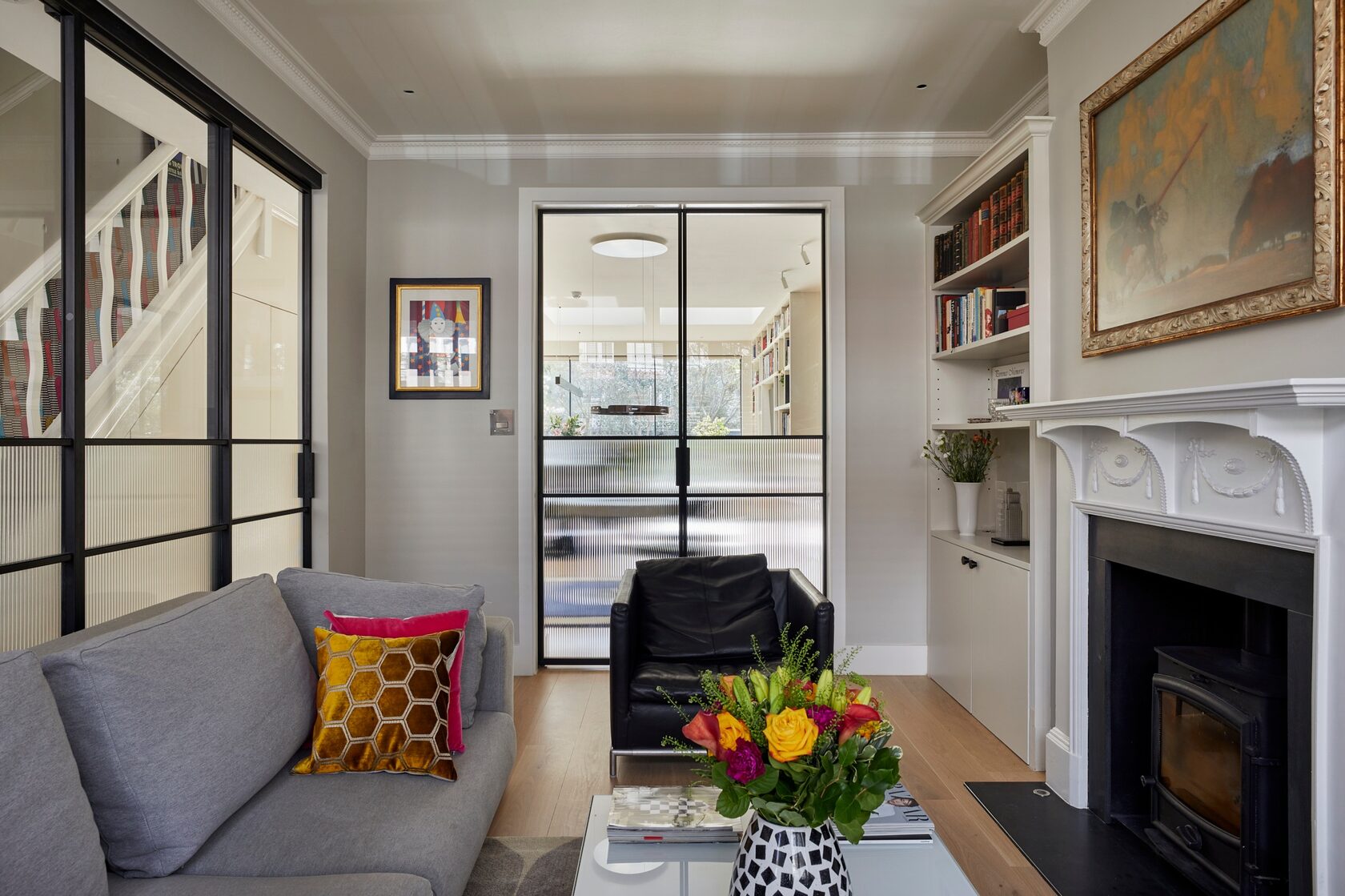
How to Renovate an Old House Without Losing Its Character
A useful rule is:
Restore what deserves restoring. Replace what doesn't. Add new work where it improves the house.
That might mean:
- restoring original balustrades
- repairing cornicing
- retaining fireplaces
- upgrading services discreetly
- restoring sash windows
- introducing contemporary joinery
- opening the rear of the house to the garden
- keeping original proportions
- using modern materials where they make practical sense
Old and new don't need to compete.
They just need to look like they belong together.
Should You Renovate and Extend at the Same Time?
If you're considering both, it's often sensible to plan them together.
An extension can affect:
- kitchen location
- structural openings
- flooring
- heating
- lighting
- drainage
- electrical layout
- garden access
- ceiling levels
Doing one project now and discovering later that the extension requires reopening half the house isn't ideal.
Our projects show examples of residential work where renovation, structural changes and new spaces are coordinated as part of a wider project.
How to Keep a Renovation on Budget
The best budget-control strategy isn't simply finding the cheapest materials.
It's reducing uncertainty.
Do more investigation before starting.
Define the scope clearly.
Make major design decisions early.
Don't constantly change the layout.
Order long-lead items in good time.
Keep a contingency.
Compare quotations on the same scope.
Record variations.
Don't upgrade everything halfway through the project.
That last one sounds obvious.
Until you've just seen a stone sample that is considerably nicer than the one you originally selected.
Common House Renovation Mistakes
Starting before the design is ready
This creates decisions on site that should have been made beforehand.
Choosing a builder on price alone
The cheapest quotation isn't necessarily the lowest final cost.
Underestimating structural work
Removing walls is rarely just a demolition exercise.
Ignoring services
A beautiful renovation with inadequate electrical or plumbing infrastructure is still a problem.
Forgetting storage
Every renovated house needs somewhere for actual life to happen.
Leaving lighting too late
You can move a lamp.
Moving a ceiling point after plastering is less entertaining.
Spending everything on finishes
A £30,000 kitchen won't compensate for poor structural planning.
No contingency
Old houses occasionally reveal things nobody could see beforehand.
What Should You Spend Money On?
If the budget is finite, prioritise the parts that are difficult to change later.
Spend carefully on:
Structure
Get the building right.
Roof and external envelope
Water getting into the house is rarely an improvement.
Electrical and plumbing
These are expensive to replace after finishing.
Insulation and ventilation
Comfort matters every day.
Windows
Particularly important in period properties.
Joinery
Good joinery can define a room.
Then choose the decorative elements around the budget that remains.
A beautifully painted wall is still a beautifully painted wall.
A badly planned wall opening is going to remain badly planned.
A Practical House Renovation Checklist
Before starting your renovation, work through this list:
Property
☐ Measured survey
☐ Condition survey
☐ Structural assessment
☐ Damp investigation where necessary
☐ Roof inspection
☐ Drainage assessment
Design
☐ Room layouts
☐ Kitchen design
☐ Bathroom layouts
☐ Lighting plan
☐ Electrical plan
☐ Heating strategy
☐ Joinery design
☐ Flooring
☐ Finishes
Approvals
☐ Planning position
☐ Conservation restrictions where applicable
☐ Building Regulations
☐ Party Wall matters where applicable
☐ Structural calculations
Construction
☐ Contractor appointed
☐ Detailed scope agreed
☐ Programme agreed
☐ Procurement schedule
☐ Site protection
☐ Waste strategy
☐ Delivery/access arrangements
Budget
☐ Construction cost
☐ Professional fees
☐ Fixtures and finishes
☐ Temporary accommodation
☐ Storage
☐ Contingency
Completion
☐ Testing
☐ Snagging
☐ Certificates
☐ Final cleaning
☐ Handover
The Right Renovation Plan Makes the Whole Project Easier
A house renovation will always involve decisions.
There will be dust.
There will be deliveries.
There will probably be at least one moment when somebody asks:
“Did anyone know that pipe was there?”
That's construction.
The difference between a stressful renovation and a well-managed one is usually how much has been thought through before the work reaches that point.
Good planning doesn't remove every surprise.
It gives you a much better chance of dealing with them without losing control of the project.
Frequently Asked Questions
How do I start renovating my house?
Start with the property rather than the finishes. Establish what you want to achieve, survey the existing building, identify structural and service issues, develop the layout and design, establish a realistic budget and then determine what approvals are required.
What should I renovate first?
Deal with structural defects, the roof and external envelope, major plumbing and electrical work before concentrating on decorative finishes. The general rule is to complete work that will be hidden before work that will be visible.
How long does a full house renovation take?
A substantial London renovation can take several months. The programme depends on property size, structural work, design, approvals, procurement and specification. A complex Victorian whole-house renovation can take significantly longer than a cosmetic refurbishment.
How much does it cost to renovate a house in London?
There is a very wide range. For substantial 2026 London renovations, an early budgeting range of around £1,200–£2,800+ per m² can be useful, with premium and heritage projects potentially higher. The actual cost depends on scope, condition and specification.
Is it cheaper to renovate or move house?
There is no universal answer. Renovation can make sense where the property has the right location, proportions and potential, particularly if the alternative is moving and taking on the costs and disruption of purchasing another property.
Can I live in my house during renovation?
Sometimes for smaller works. A major full-house renovation is considerably harder to live through, particularly when the kitchen, bathrooms, electrical system and heating are being replaced or structural work is underway.
Should I renovate before extending?
If both are planned, it is usually better to consider them together. The extension can affect structural openings, services, heating, flooring, kitchen layout and drainage throughout the property.
What is the biggest mistake when renovating a house?
Starting construction before the scope, design and budget are properly established. The earlier major decisions are resolved, the fewer expensive changes are likely to occur once work is underway.
Renovating Your London Home? Start With the Building, Not the Pinterest Board.
A successful renovation isn't about choosing the nicest kitchen.
It's about making hundreds of decisions in the right order.
Survey first.
Design properly.
Understand the structure.
Plan the services.
Deal with approvals.
Choose the right contractor.
Then build.
And when the dust finally disappears, the best renovation is the one where the new work feels completely at home with the old.
At Dominant Construction LTD, we have over 15 years' experience delivering high-end residential renovations, extensions and structural construction across London and West London.
For larger projects, our renovation service covers substantial residential refurbishment and renovation work.
Planning a full house renovation?
Call 020 7118 6155
Dominant Construction LTD
185 Fulham Palace Road
Fulham, London W6 8QX