QUICK ANSWER: A successful renovation project comes down to five things done in the right order: confirm what your property actually allows before designing anything, budget contingency into the number from day one rather than adding it later, use one main contractor rather than managing trades separately, sort structural and services decisions before finishes, and get planning and party wall processes moving early rather than after a design is finished. In Maida Vale specifically, much of the housing stock is leasehold flats in mansion blocks, which changes the planning starting point considerably.
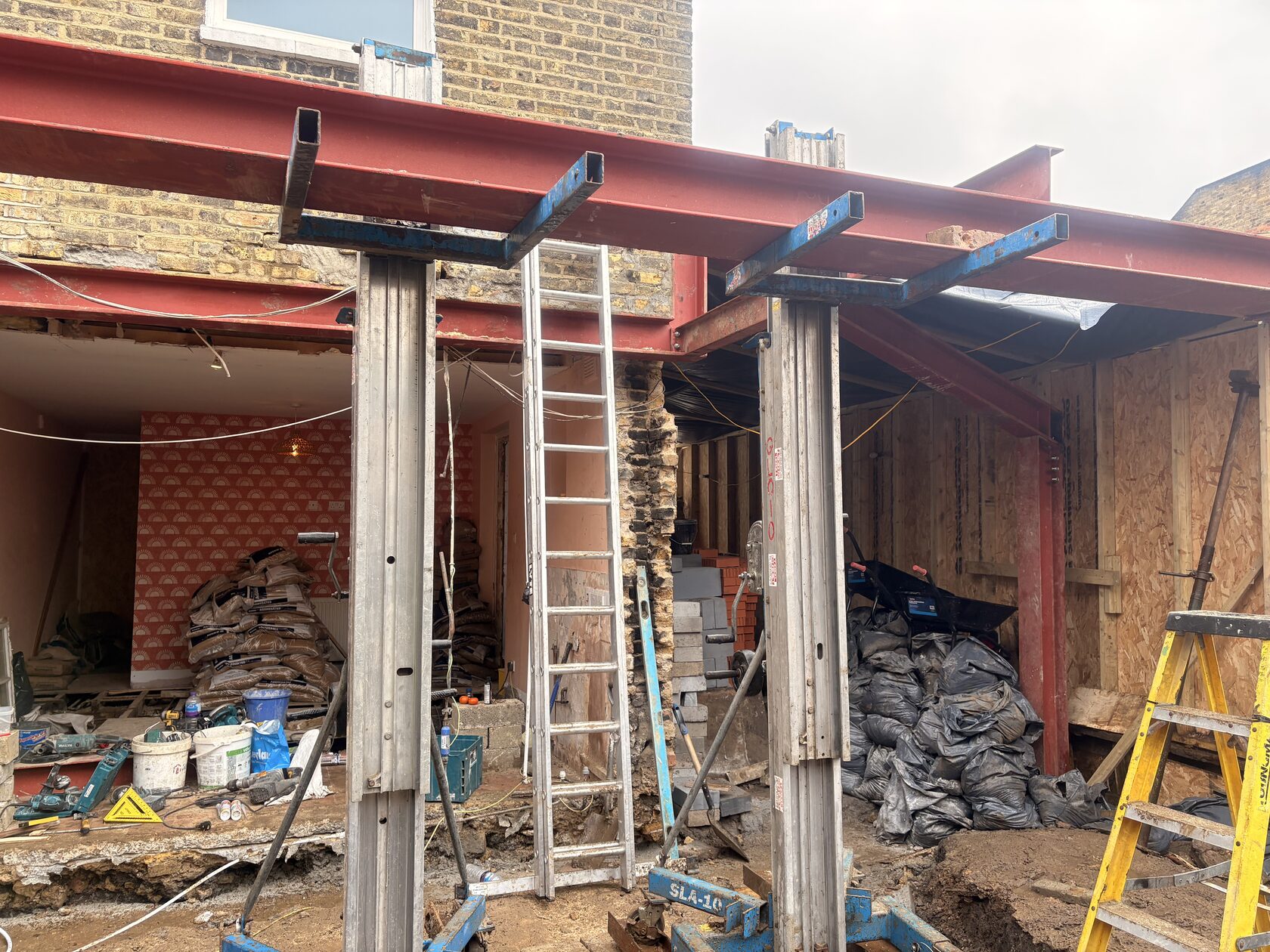
Most renovation disasters aren't caused by bad builders. They're caused by decisions made in the wrong order, months before a single wall comes down. Here are five things that consistently separate a renovation that goes smoothly from one that doesn't — including a Maida Vale-specific wrinkle that catches out more homeowners here than almost anywhere else in West London.
1. Find Out What Your Property Actually Allows, First
Before any design gets drawn, confirm your property's actual planning position — not what your neighbour did, not what a website's generic guide suggests, but your specific property. In Maida Vale, this matters more than usual: much of W9 sits within the Maida Vale Conservation Area, with extensive Article 4 Directions removing permitted development rights that homeowners elsewhere might take for granted. More importantly, a large share of Maida Vale's grand stucco terraces and mansion blocks around Randolph Avenue and Sutherland Avenue are leasehold flats rather than houses — and flats never carry permitted development rights at all, regardless of conservation status. A renovation brief built around assumptions that only apply to houses wastes real design time.
2. Budget the Contingency In, Don't Bolt It On
The single most common way a renovation budget breaks is treating contingency as an optional extra rather than a real line item from the start. Ten to fifteen percent held back for the unexpected — services that need replacing behind original plasterwork, structural surprises once floors are lifted — isn't pessimism, it's how experienced main contractors actually price. Projects that skip this step don't avoid the cost; they just get surprised by it later, usually at the worst possible moment in the programme.
3. Use One Main Contractor, Not a Collection of Trades
Coordinating electricians, plumbers, plasterers, and joiners separately might look cheaper on paper, but it shifts the entire coordination risk onto you. A single main contractor working to a proper contract takes on programme accountability, sequencing, and quality control as one job — which matters considerably more once a project involves structural work, planning conditions, or a mansion block's own management rules on permitted working hours and access.
Working with one team from structural work through to finishes is also the only realistic way to hit a fixed handover date, since no individual trade is responsible for anyone else's delays.
4. Settle Structure and Services Before You Think About Finishes
Choosing a tile or a tap is the fun part, and it's tempting to start there. It's also the fastest way to end up ripping out finished work later. Structural alterations, new wiring routes, underfloor heating manifolds, and smart home wiring all need to be decided and installed before walls close up — retrofitting any of this after plastering is dramatically more expensive and disruptive than getting the sequence right the first time.
5. Start Planning and Party Wall Processes Early, Not After Design
In Maida Vale, a standard householder planning application has an 8-week statutory target, but conservation area consultation typically adds 2 to 3 weeks in practice, putting most realistic timelines at 11 to 14 weeks from validation to decision — before construction even starts. Where a property shares a structural wall with a neighbour, the Party Wall etc. Act 1996 runs as a separate legal process alongside this, and leaving it until "closer to the start date" is one of the most common ways a project's timeline slips by months rather than weeks.
Frequently Asked Questions
Does it matter if my Maida Vale property is a house or a flat? Considerably. Flats never carry permitted development rights, meaning most external and some internal alterations require a formal application regardless of conservation area status — a starting point very different from a house in the same postcode.
How early should I contact a builder before starting a renovation? Ideally before final design is complete, not after — a main contractor can flag buildability, sequencing, and realistic cost issues at design stage that are far cheaper to address on paper than once construction has started.
What's the most common renovation mistake you see? Underestimating how much of the total cost and timeline sits in planning, party wall agreements, and structural decisions, rather than the visible finishing work most homeowners focus their attention on.
Plan Your Renovation Properly From the Start
Dominant Construction has delivered renovations across Maida Vale and the rest of West and Central London for over 15 years — FMB-registered, working to JCT contracts, managing planning liaison and construction as one team rather than a collection of separate trades.
Call 020 7118 6155 for a consultation, get in touch online, or see recent projects at dominantconstruction.co.uk.